How Roof Flashing Prevents Leaks Around Chimneys and Vents
Choosing experienced local contractors for roof flashing installation ensures proper sealing around chimneys and vents, preventing leaks and protecting your home from water damage.
Understanding how roof flashing prevents leaks around chimneys and vents is essential for property owners looking to protect their homes from water damage. Properly installed flashing acts as a crucial barrier, sealing gaps where the roof intersects with these structures and preventing moisture from seeping in. For those in the area managing older roofs or experiencing recurring leaks, exploring professional roof flashing installation can be a practical step toward safeguarding the property’s integrity.
Local contractors specializing in roof flashing services have the expertise to ensure these critical areas are properly sealed and weather-resistant. Their knowledge of local building conditions and common vulnerabilities allows them to address potential leak points effectively. Continuing to read can provide valuable insights into how skilled installation makes a difference, helping property owners make informed decisions about protecting their homes from future issues.
- Roof flashing installation services are needed when homeowners notice signs of leaks around chimneys and vents, and local contractors can ensure proper sealing to prevent water intrusion.
- When a chimney or vent shows signs of rust, deterioration, or improper flashing, local service providers can replace or repair the flashing to stop leaks caused by how roof flashing prevents leaks around chimneys and vents.
- Homeowners planning roof upgrades or repairs might seek roof flashing installation to improve protection against leaks around chimneys and vents, with local pros ensuring correct placement and sealing.
- If flashing around chimneys and vents is damaged or missing, local contractors can install new flashing to effectively prevent leaks and water damage.
- During inspections for roof leaks or water stains, service providers can evaluate and improve flashing to enhance how roof flashing prevents leaks around chimneys and vents.
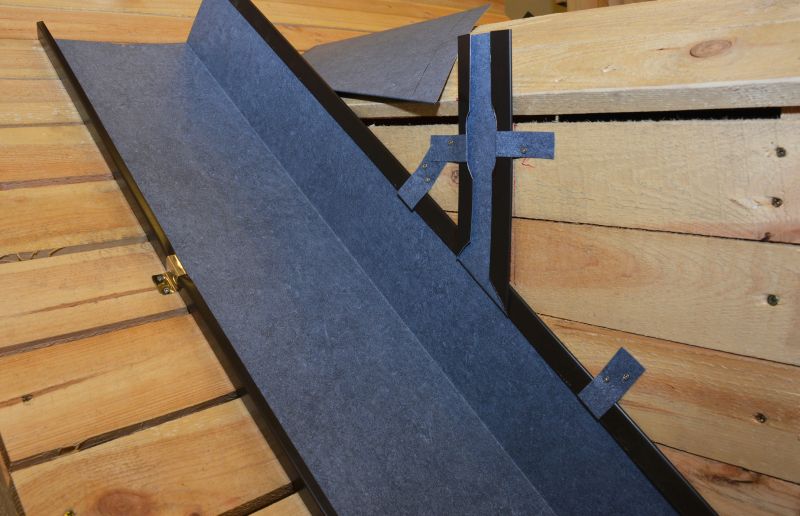
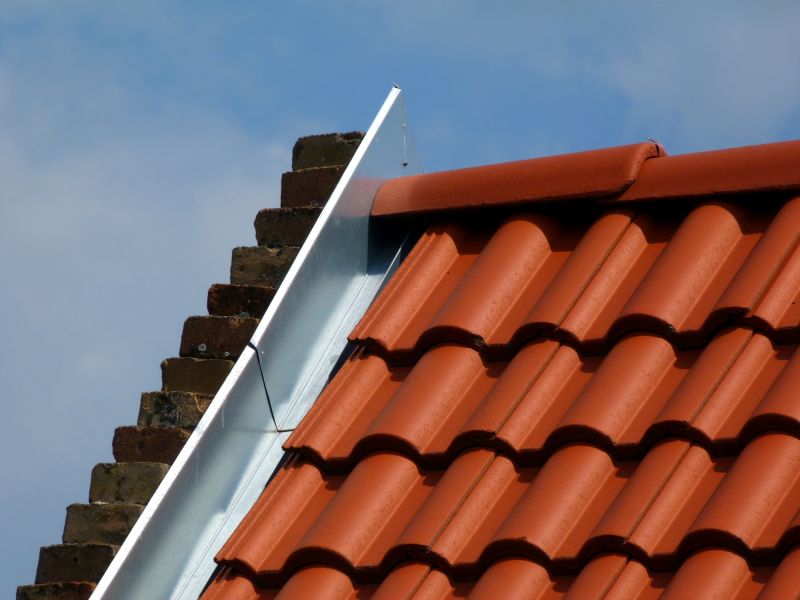
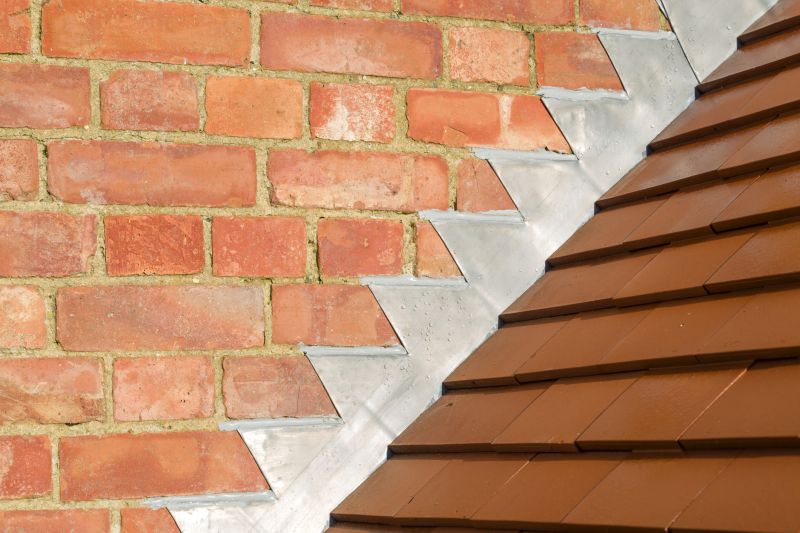
When homeowners search for information about how roof flashing prevents leaks around chimneys and vents, they are often trying to understand why these small, seemingly simple components are so essential to a roof’s integrity. The focus is usually on preventing water from seeping into the home at these vulnerable points, especially since chimneys and vents are common locations where leaks can develop if not properly sealed. People may be experiencing or trying to avoid issues like water stains on ceilings, mold growth, or rotting roof structures caused by persistent leaks. This search often relates to maintenance plans or repair projects aimed at protecting the property from water damage, emphasizing the importance of durable, properly installed flashing to keep these areas watertight.
The problems associated with inadequate roof flashing around chimneys and vents typically involve water intrusion during rain or snowmelt. When flashing is damaged, improperly installed, or missing, water can find its way behind the siding or roofing materials, leading to leaks inside the home. Homeowners may also be planning upgrades or repairs to improve the overall durability of their roofs, especially on older properties where original flashing may have deteriorated over time. These projects often involve replacing or installing new flashing to ensure a tight seal around chimneys and vents, which are critical points of entry for water if not properly protected.
Properties that commonly come into focus for roof flashing around chimneys and vents include single-family homes, especially those with traditional pitched roofs, as well as multi-family buildings and small commercial structures. Homes in regions with heavy rainfall, snow, or freeze-thaw cycles are particularly concerned with maintaining a leak-free roof. Additionally, older homes with historic features or unique roof configurations may require specialized flashing solutions to fit their design. Regardless of the property type, ensuring the integrity of flashing around chimneys and vents is a key step in preserving the roof’s performance and preventing costly water damage.
When considering how roof flashing prevents leaks around chimneys and vents, it’s important to recognize the role of local service providers who specialize in roof flashing installation. These professionals assess the specific needs of each property, ensuring that the flashing materials are correctly fitted and sealed to match the roof’s design and weather conditions. Proper installation by experienced contractors helps create a barrier that directs water away from vulnerable areas, preventing leaks before they start. For homeowners planning repairs or upgrades, connecting with local pros who have expertise in roof flashing ensures the job is done right, providing long-lasting protection for the home.
Chimney Repair Projects - These projects involve sealing and flashing around chimneys to prevent water intrusion, sharing skills with roof flashing installation services focused on leak prevention.
Venting System Installations - Proper venting requires careful flashing and sealing techniques similar to those used around chimneys to ensure water tightness and prevent leaks.
Roof Leak Repairs - Addressing existing leaks often involves replacing or installing flashing, paralleling the work done to prevent leaks around chimneys and vents.
Skylight Installation and Repair - Installing or repairing skylights involves flashing techniques that are similar to those used in chimney and vent flashing to keep roofs watertight.
Roof Replacement Projects - During roof replacement, proper flashing installation around features like chimneys and vents is critical to prevent future leaks, aligning with roof flashing services.
Gutter and Drainage System Work - Ensuring effective drainage involves sealing and flashing work that complements the skills used in preventing leaks around roof penetrations like chimneys and vents.
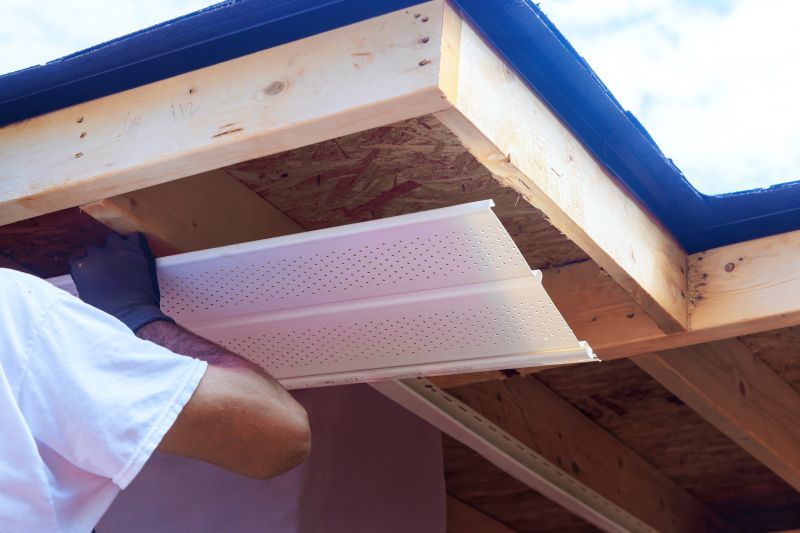
When comparing local contractors for roof flashing installation services, it is important to consider their experience with similar projects. A contractor who has handled numerous installations around chimneys and vents can demonstrate familiarity with common challenges and effective solutions. This experience often correlates with a better understanding of how roof flashing prevents leaks around these vulnerable areas, ensuring that the work is performed correctly and reduces the risk of future issues. Homeowners should inquire about the types of projects a contractor has completed and seek evidence of a consistent track record in installing durable, effective flashing systems.
Clear written expectations are essential when evaluating potential service providers. A reputable contractor will provide a detailed scope of work that explains what materials will be used, how the installation will be carried out, and what steps are involved in ensuring proper sealing around chimneys and vents. Having this information in writing helps prevent misunderstandings and ensures that both parties are aligned on the project’s goals. Homeowners should look for contractors who are transparent about their process and willing to answer questions, as this indicates a commitment to clarity and professionalism.
Reputable references and effective communication are key indicators of a dependable contractor. A service provider with positive references from past clients can offer insights into their reliability, quality of work, and ability to address specific concerns related to roof flashing and leak prevention. Good communication throughout the project also reflects a contractor’s professionalism and dedication to customer service. Homeowners should seek out contractors who are responsive, approachable, and willing to discuss the details of how roof flashing prevents leaks around chimneys and vents, ensuring confidence in the overall quality of the installation.
Property owners often search for how roof flashing prevents leaks around chimneys and vents when they are planning practical projects around their homes and businesses. Local pros provide Roof Flashing Installation services for everyday jobs and straightforward project options.
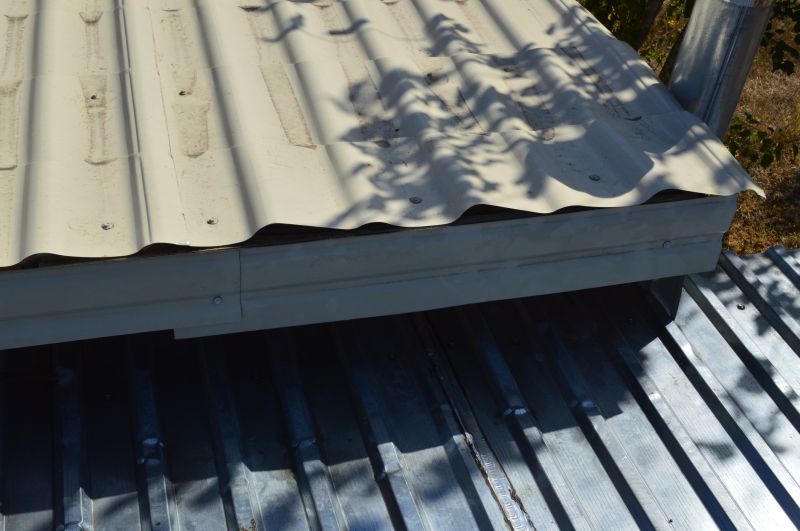
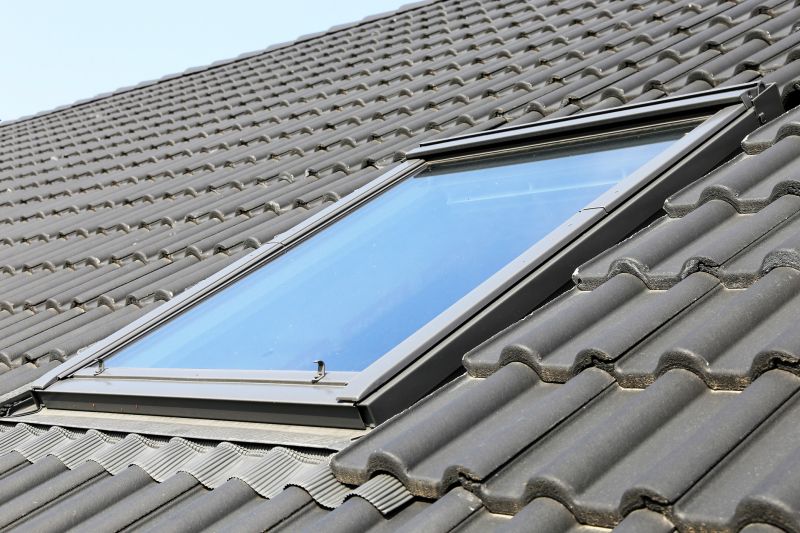
Understanding how roof flashing prevents leaks around chimneys and vents is essential for property owners looking to protect their homes from water damage. When installed properly, roofing professionals ensure that flashing creates a watertight barrier where the chimney or vent penetrates the roof. This prevents water from seeping in through small gaps or cracks that can develop over time, especially during heavy rain or snow. For homeowners in the area, hiring experienced local contractors for roof flashing installation can help maintain the integrity of the roof and avoid costly repairs caused by leaks.
Many property owners seek out information on roof flashing because they notice signs of water infiltration or want to prevent future issues. Proper installation by local service providers ensures that flashing fits securely and is sealed correctly around chimneys and vents. This simple yet crucial step in roof maintenance can significantly reduce the risk of leaks, mold growth, and structural damage. Connecting with local pros who specialize in roof flashing installation offers peace of mind, knowing that the work will be handled professionally and with attention to detail.
How does roof flashing prevent leaks around chimneys and vents? Roof flashing creates a water-resistant barrier that seals the joints where chimneys and vents penetrate the roof, preventing water from seeping into the building.
Why is proper installation of roof flashing important for leak prevention? Proper installation ensures that flashing fits correctly and is securely sealed, reducing the risk of gaps or damage that could lead to leaks around chimneys and vents.
What materials are commonly used for roof flashing around chimneys and vents? Common materials include aluminum, copper, and galvanized steel, all of which are durable and effective at preventing water intrusion when installed correctly by local contractors.
How can local service providers help ensure effective roof flashing around chimneys and vents? Local contractors can assess the roof, recommend suitable flashing materials, and install or repair flashing to ensure it functions properly and prevents leaks.
What are signs that roof flashing around chimneys and vents may need replacement or repair? Signs include water stains on ceilings, visible rust or corrosion on flashing, or cracked and damaged flashing that no longer provides a proper seal.
Assessing chimney and vent areas - property owners can evaluate potential leak points around chimneys and vents to determine where roof flashing may need replacement or upgrade, with help from local contractors.
Selecting appropriate flashing materials - choosing durable, weather-resistant flashing types suitable for specific roof styles can improve leak prevention, with guidance from local pros.
Scheduling professional installation - arranging for experienced roofers to properly install or repair roof flashing ensures effective sealing around chimneys and vents, reducing the risk of water intrusion.
Regular inspection and maintenance - routine checks for damaged or deteriorated flashing allow property owners to address issues early, with assistance from local service providers to keep leaks at bay.
If you are thinking about how roof flashing prevents leaks around chimneys and vents for a property, this guide is meant to help you understand this topic, the typical project types, and how different options might fit your plans.
When you are ready, you can use the quote form on this page to share a few details about your project. From there, local pros can review the basics and follow up with options that match what you have in mind.