What Roof Capping Is and Why It Matters for Roof Protection
People searching for roof capping often want to protect their roof from leaks and damage, and local contractors can provide expert installation and repairs to ensure lasting protection.
If you’re exploring the topic of what roof capping is and why it matters for roof protection, you’ve come to the right place. Property owners in the area often find themselves considering roof enhancements to safeguard their investments and prevent costly damage. Understanding the purpose of roof capping - which involves installing protective material over the roof’s edges and vulnerable areas - can help you make informed decisions about maintaining your property’s integrity. Local contractors skilled in roof capping services can assess your specific needs and provide solutions that help extend the lifespan of your roof, giving you peace of mind.
Continuing to learn about roof capping and its role in roof protection is a practical step for any property owner. Properly installed roof capping can prevent water ingress, reduce wear from weather exposure, and improve overall durability. Since local service providers are familiar with the common challenges faced in the area, they can recommend the most effective materials and techniques suited to your roof type. Staying informed about these options ensures you’re prepared to explore the right services to keep your roof secure and resilient over time.
- Roof capping installation might be needed when a roof's edges or joints require sealing to prevent water ingress, and local contractors approach it with precise fitting and durable materials.
- Roof capping repair is essential if existing capping shows signs of damage or corrosion, with service providers focusing on restoring protection and preventing further deterioration.
- Roof capping replacement becomes necessary during significant roof renovations or damage, with local pros removing old capping and installing new, weather-resistant options.
- Custom roof capping is useful for unique roof designs or historical buildings, where specialists tailor solutions to match architectural style and ensure effective protection.
- Roof capping inspection is recommended to assess the condition of existing capping, with professionals identifying issues that could compromise roof integrity and recommending appropriate work.
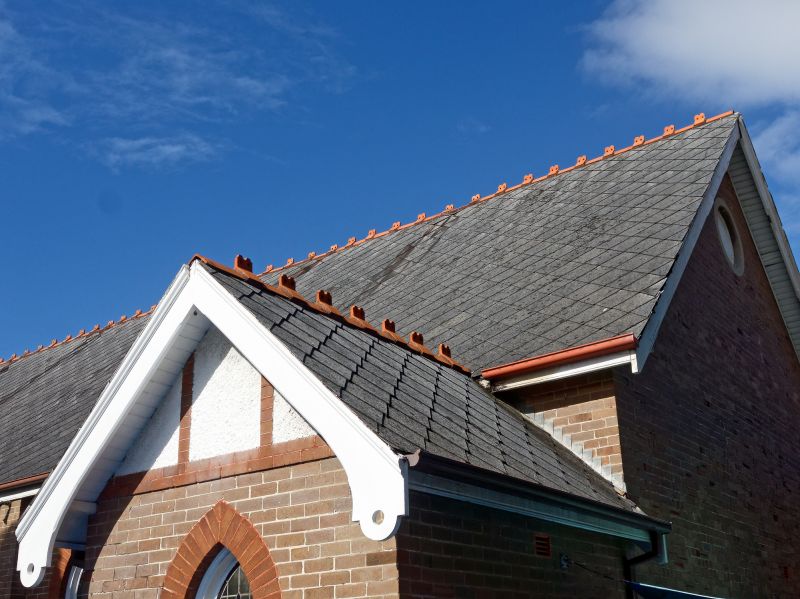
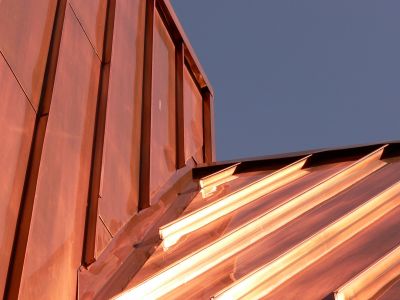
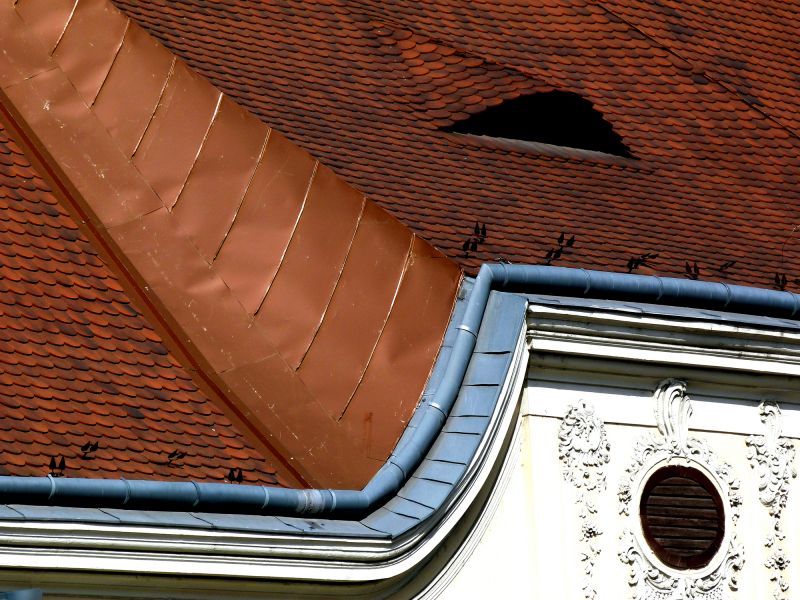
Understanding what roof capping is and why it matters for roof protection can help homeowners appreciate its role in maintaining the integrity of their property. Roof capping refers to the process of installing protective material along the edges and ridges of a roof to prevent water infiltration and damage. When people search for this topic, they are often looking for ways to improve the durability of their roofs, especially in areas prone to heavy rain or wind. Proper capping acts as a barrier that seals vulnerable parts of the roof, reducing the risk of leaks, rot, and structural issues over time. This step is particularly important during roof repairs or when installing new roofing systems, as it ensures the entire roof is sealed against the elements.
The problems related to inadequate roof capping often involve water leaks, which can lead to mold growth, wood rot, and even damage to the interior of a home. Many property owners plan upgrades or repairs with the goal of extending their roof’s lifespan, making roof capping a key consideration. It is also a common part of new roofing projects, where ensuring a tight seal from the outset can prevent costly repairs in the future. Whether dealing with older roofs that need reinforcement or installing a new roof on a commercial or residential property, proper capping is a crucial step in the overall roof protection strategy. Local contractors who specialize in roofing can assess the specific needs of each property and recommend appropriate capping materials and techniques.
Types of properties that typically require roof capping include residential homes, especially those with pitched or flat roofs, as well as commercial buildings and industrial facilities. Homes in areas with frequent storms or heavy rainfall benefit from well-installed capping to prevent water ingress. Additionally, properties with older roofing systems may need capping upgrades to address wear and tear. Commercial properties, such as warehouses and retail outlets, often have larger roof surfaces that demand durable capping solutions to ensure ongoing protection. Local service providers are experienced in working with these various property types, offering tailored solutions that match the specific roofing style and environmental conditions of each site. Connecting with local pros ensures that the roof capping work is performed correctly, providing long-term protection for the property’s structure.
Chimney Flashing Installation - this project involves sealing and protecting chimney joints, similar to roof capping, to prevent water intrusion and ensure roof durability.
Valley and Gutter Repairs - repairing roof valleys and gutters requires planning and skill in sealing edges, akin to the work involved in roof capping for roof protection.
Roof Vent Installation - installing roof vents involves planning and sealing to prevent leaks, paralleling the importance of proper roof capping for long-term protection.
Skylight Flashing Projects - sealing skylights with flashing ensures water-tightness, similar to roof capping's role in safeguarding roof integrity against weather elements.
Roof Repair and Replacement - comprehensive roof repairs often include installing or upgrading capping and sealing edges to maintain roof longevity and protection.
Roof Insulation and Waterproofing - these projects focus on sealing and protecting the roof structure, aligning with the principles of roof capping for effective roof protection.
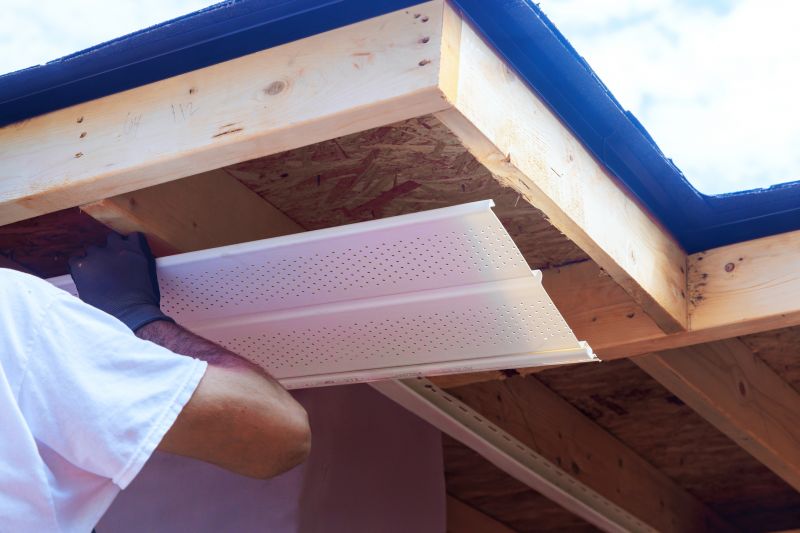
When evaluating local contractors for roof capping services, it’s important to consider their experience with similar projects. Homeowners should inquire about the types of roofing jobs they have completed and whether they have handled projects that involve roof protection measures like capping. An experienced service provider will be familiar with different roofing materials and techniques, ensuring the work is performed correctly to enhance the roof’s durability and longevity. Verifying a contractor’s background with comparable projects can help ensure they understand the specific requirements of roof capping and can deliver results that meet expectations.
Clear written expectations are essential when comparing local service providers. Homeowners should seek detailed descriptions of the scope of work, including the materials used, the process involved, and the expected outcomes. This clarity helps prevent misunderstandings and ensures that both parties are aligned on what the project entails. Reputable contractors will typically provide comprehensive estimates or proposals that outline these details, giving homeowners a transparent basis for comparison. Having well-defined expectations also makes it easier to evaluate whether a particular contractor’s approach aligns with the homeowner’s needs for roof protection.
Reputable references and effective communication are key factors when choosing local contractors for roof capping services. Homeowners should ask for references from previous clients who had similar work done, allowing for insights into the contractor’s reliability and quality of craftsmanship. Good communication is equally important, as it ensures questions are answered clearly and concerns are addressed promptly throughout the project. Service providers who prioritize transparent dialogue and have positive references are more likely to deliver a smooth experience and a result that enhances the roof’s protection. Comparing these aspects can help homeowners select a professional who is dependable and attentive to their specific roof capping needs.
Property owners often search for what roof capping is and why it matters for roof protection when they are planning practical projects around their homes and businesses. Local pros provide Roof Capping services for everyday jobs and straightforward project options.
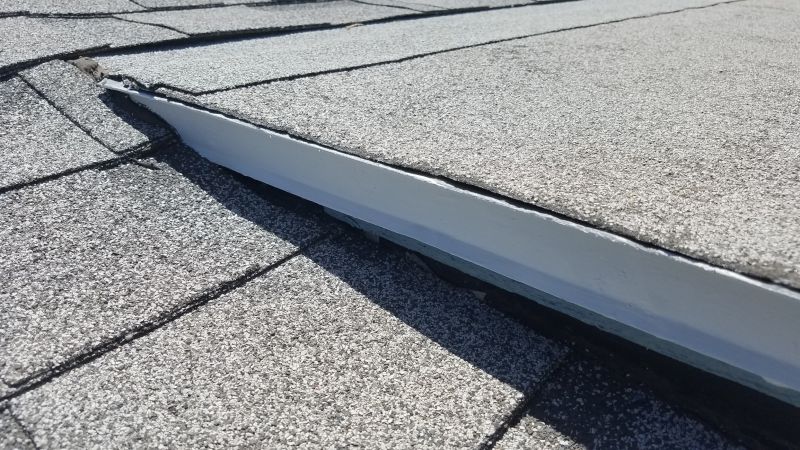
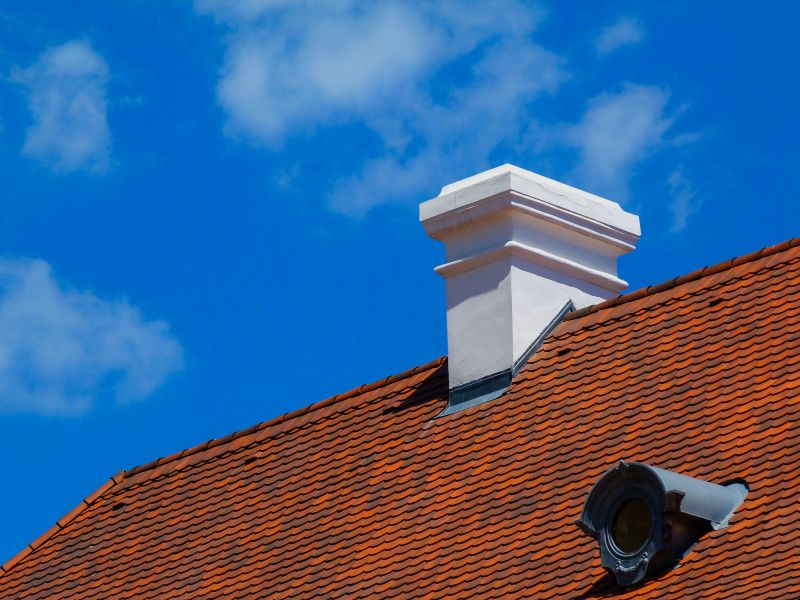
Understanding what roof capping is and why it matters for roof protection can help property owners ensure their homes are well-maintained and resilient against weather elements. Roof capping involves installing a protective covering along the top edges of a roof, often at the junction where different roof sections meet or around chimney stacks and vents. This simple addition can prevent water leaks, stop pests from entering, and protect vulnerable areas from damage caused by wind or rain. For those managing ongoing home upkeep or undertaking roof repairs, knowing about roof capping can be a practical step to extend the lifespan of a roof and avoid costly issues down the line.
Many property owners in the area look into roof capping services when they notice signs of wear or leaks around the roof’s edges. Local contractors who specialize in roof capping can assess the condition of existing coverings and recommend appropriate solutions to reinforce the roof’s durability. Whether it’s installing new capping or repairing existing ones, these service providers help ensure that the roof remains secure and weather-resistant. Choosing experienced local professionals for roof capping projects can provide peace of mind that the work is done properly, helping to protect the property from potential damage caused by water infiltration or structural deterioration.
What is roof capping? Roof capping involves installing protective material along the edges and joints of a roof to prevent water infiltration and damage. It helps secure roofing components and extends the lifespan of the roof.
Why does roof capping matter for roof protection? Proper roof capping creates a barrier against weather elements, reduces the risk of leaks, and helps maintain the structural integrity of the roof over time.
What types of materials are used for roof capping? Common materials include metal, clay, concrete, and sometimes specialized sealants, all chosen to match the roof type and provide durability against environmental exposure.
How can local contractors assist with roof capping? Local service providers can assess the specific needs of a roof, recommend suitable capping solutions, and professionally install or repair roof capping to ensure effective protection.
When should roof capping be considered or replaced? Roof capping should be examined during regular roof inspections or if signs of damage, such as leaks or corrosion, appear, to maintain optimal roof protection.
Understanding roof capping importance - property owners can learn how proper roof capping helps prevent leaks and structural damage during weather events by working with local contractors.
Selecting suitable materials - choosing the right type of roof capping for specific roof styles and climates can enhance overall roof durability with the help of local service providers.
Planning for roof capping installation - integrating roof capping into regular roof maintenance or renovation projects ensures long-term protection against water ingress and wind damage.
Maintaining roof capping integrity - regular inspections and repairs by local pros can keep roof capping effective, extending the lifespan of the roof and safeguarding the property.
If you are thinking about what roof capping is and why it matters for roof protection for a property, this guide is meant to help you understand this topic, the typical project types, and how different options might fit your plans.
When you are ready, you can use the quote form on this page to share a few details about your project. From there, local pros can review the basics and follow up with options that match what you have in mind.